
Craftsmanship & Pet Likeness Guide
A custom pet portrait can be beautifully detailed and still feel slightly wrong. The difference is usually not the amount of detail. It is whether the artwork preserves the specific combination of features that makes one pet instantly recognizable to the people who know them best.
Face proportions, eyes, markings, ear position, expression, head tilt, coat color, and body shape all contribute to likeness. A strong portrait keeps those identity cues consistent even when the pet is placed in a royal costume, a travel scene, or a dimensional sculpted format. This guide explains what matters most, how reference photos help, and what to check before approving a custom portrait.
What Actually Makes a Pet Portrait Look Like the Real Pet?
Likeness comes from the relationship between several recognizable features, not from one isolated detail. The most important clues are usually the shape and proportions of the face, the eyes and gaze, distinctive coat markings, the set of the ears, the pet’s familiar expression, and the way those features work together.
- Face structure: head width, muzzle length, cheek shape, forehead, and ear placement.
- Eyes: shape, spacing, visible color, direction of gaze, and the expression around them.
- Markings: patches, stripes, blaze patterns, masks, chest markings, and color boundaries.
- Expression: relaxed, alert, playful, serious, curious, or that familiar look the family recognizes.
- Proportions and pose: neck length, body shape, head tilt, posture, and the way the pet carries themselves.
A realistic finish can support likeness, but realism by itself does not guarantee that the portrait feels like the specific pet.

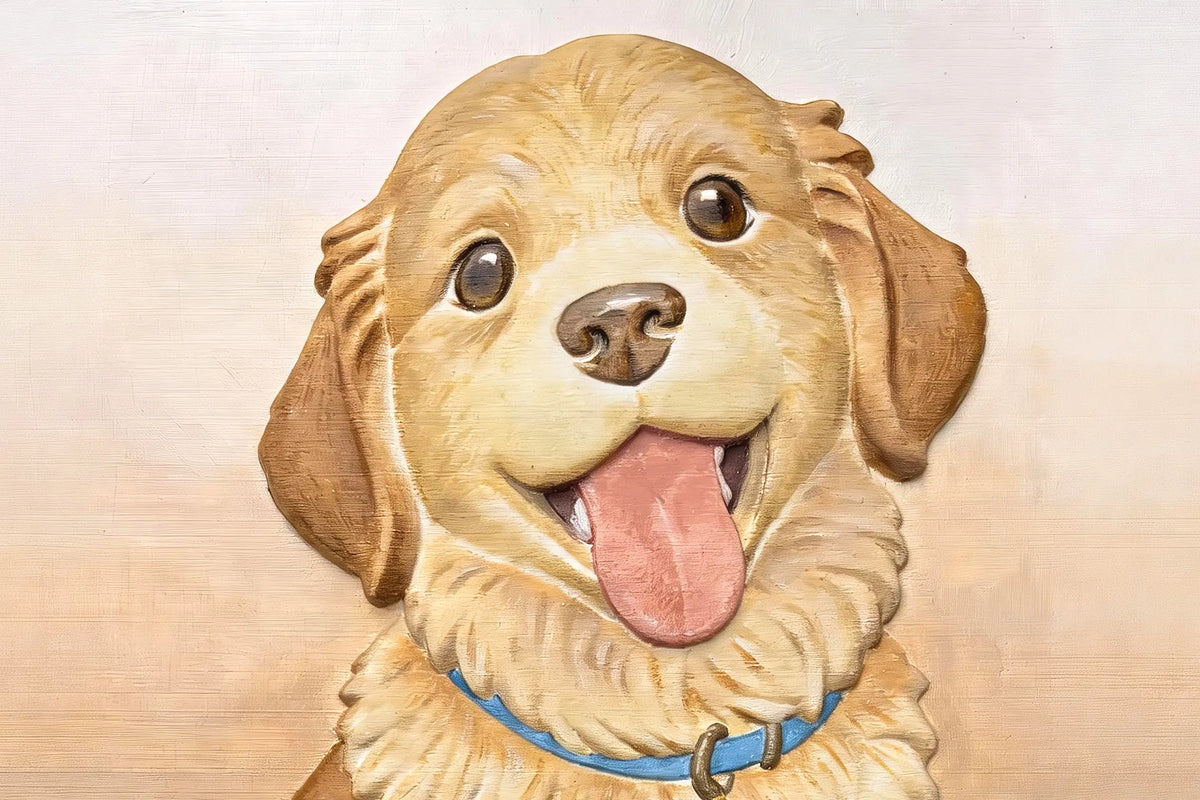
Likeness and Realism Are Not the Same Thing
“Realistic” describes how convincingly an artwork represents fur, light, depth, texture, anatomy, and color. “Likeness” is more personal: it is whether the portrait feels like this dog, this cat, or this rabbit rather than a generic animal of the same breed or color.
A highly realistic painting can miss the pet if the muzzle is slightly too long, the eyes are set too far apart, or a signature marking is moved. At the same time, a more stylized portrait can still feel unmistakably right when the features that carry identity are preserved.
| Element | Realism asks | Likeness asks | What to check |
|---|---|---|---|
| Fur | Does the texture look believable? | Are the pet’s actual pattern and color boundaries correct? | Blazes, patches, stripes, masks, chest markings |
| Eyes | Do they look glossy and dimensional? | Do they have the pet’s familiar shape, spacing, and gaze? | Shape, color, distance, direction |
| Face | Does the anatomy look natural? | Does the head-to-muzzle relationship match this pet? | Head width, muzzle length, cheeks, forehead |
| Expression | Does the face look alive? | Does it feel like the expression the family recognizes? | Mouth, brow, ears, head tilt |
| Style | Does the scene look coherent? | Does the styling still leave the pet recognizable? | Costume, crop, background, visual priority |
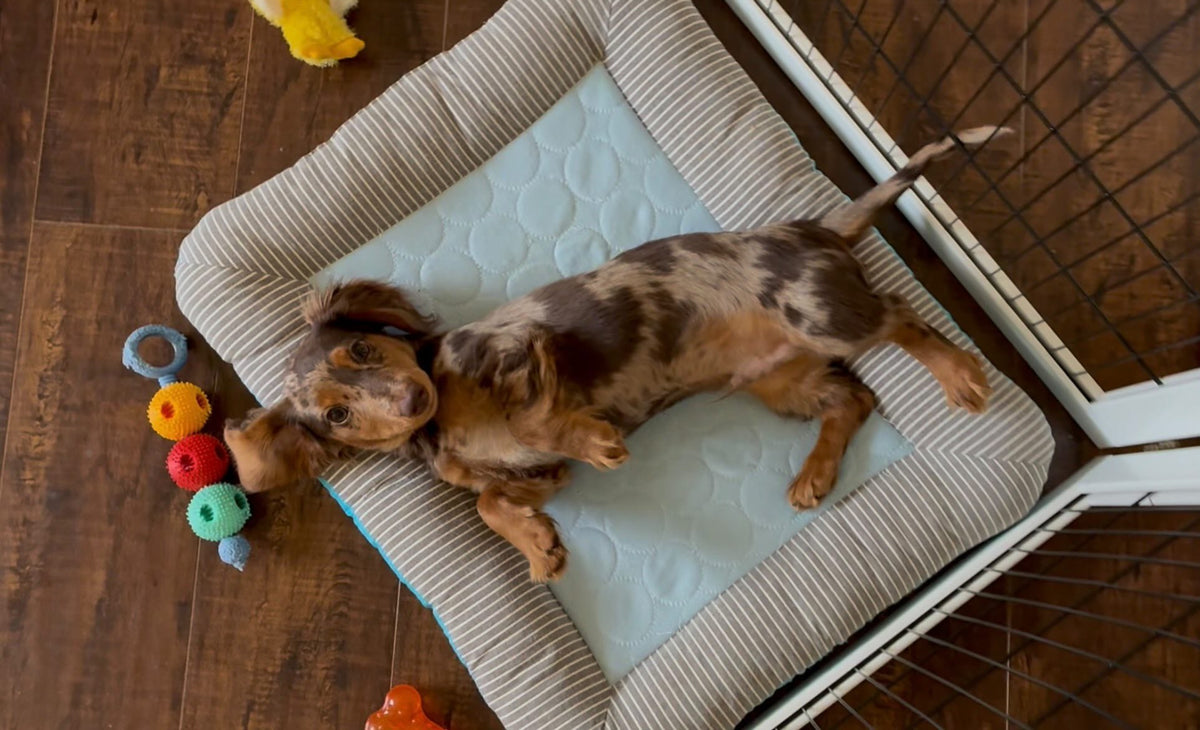
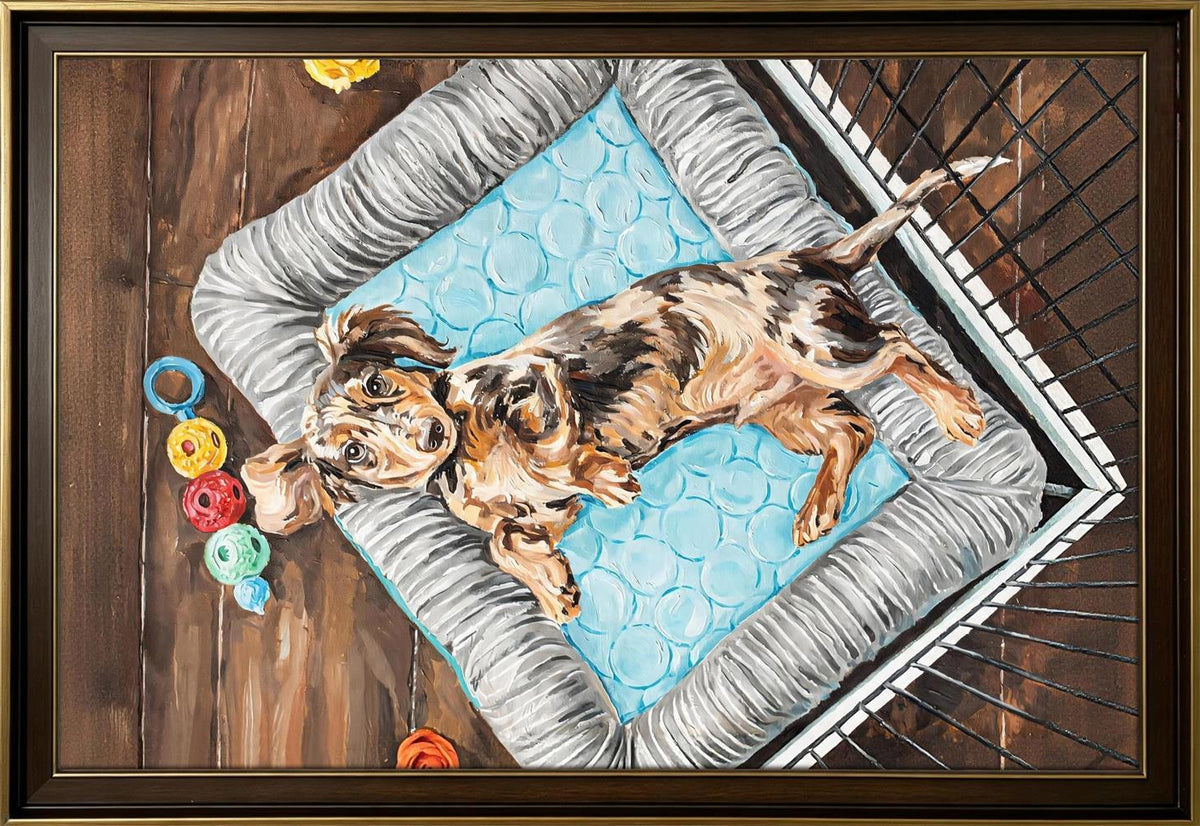
1. Face Shape and Proportions Carry More Identity Than Extra Detail
Pet owners often recognize their companion from the silhouette of the head before they consciously notice individual details. That makes proportion one of the strongest foundations of likeness.
Head width
A broad-headed dog, narrow-faced cat, or rounded rabbit can lose identity when the overall head shape is generalized toward a breed average.
Muzzle length and shape
The distance from eyes to nose, muzzle width, nose size, and mouth line all change how the face reads. Small shifts can make an adult pet look younger, older, softer, or more severe.
Ear position
Upright, folded, asymmetrical, relaxed, or alert ears change the entire expression. For some pets, one ear sitting differently is one of the most recognizable traits.
Feature spacing
The distance between eyes, the height of the brow, and the position of the nose matter more than adding hundreds of individual fur strokes to an incorrectly proportioned face.
This is why a good reference set should show the face clearly enough to judge shape, not just coat color. When possible, an eye-level image with minimal lens distortion gives the artist a more reliable base.
2. The Eyes Often Decide Whether the Portrait Feels “Right”
Families frequently describe recognition through the eyes: the exact shape, the way the pet looks slightly upward, the calmness or mischief in the gaze, or a small asymmetry between the two eyes. The eye area is also where minor proportion errors become emotionally noticeable.
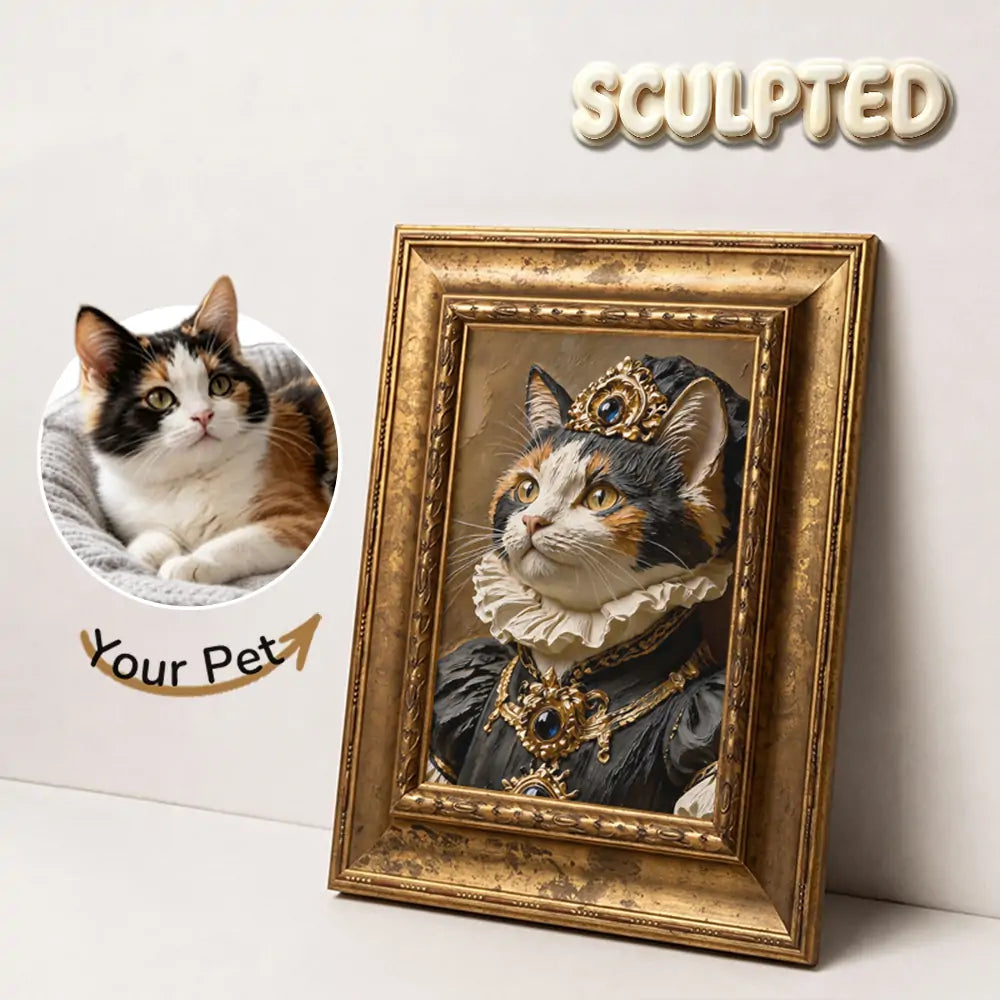
When reviewing the eye area, compare both eyes with the reference photo rather than judging only whether they are “beautiful.” Check whether the eye shape, visible iris color, spacing, and gaze direction resemble the pet you know.
3. Coat Color and Markings Work Like a Visual Fingerprint
For many pets, markings are among the fastest recognition cues. A white blaze that bends slightly left, a dark patch around one eye, a chest spot, tabby stripes, a tortoiseshell pattern, or the exact boundary between two coat colors can matter more than broad breed characteristics.
The challenge is that photographs do not always show color consistently. Warm indoor light can make gray fur look brown. Strong sunlight can wash out cream or white coats. Dark fur can lose texture in shadow. This is one reason multiple reference photos can be useful: one may show the expression best, while another reveals the true coat color and hidden markings more clearly.
- Check placement before texture. A patch in the wrong location is usually more noticeable than simplified fur texture.
- Check boundaries. Notice where white turns to brown, where stripes stop, and whether a facial mask is symmetrical or intentionally uneven.
- Check subtle colors. Cream, silver, blue-gray, warm brown, and black coats can shift under different lighting.
- Check hidden features. Chest, neck, legs, and ears may contain markings that a single close-up does not show.
4. Expression, Ear Position, and Head Tilt Make the Portrait Feel Personal
Two photos of the same pet can create very different impressions. In one, the pet may look sleepy and gentle. In another, alert and curious. The anatomy is the same, but the emotional signal is different.
Luminipet’s current About page emphasizes familiar eyes, head tilts, small habits, and personality rather than simply copying a photo. That distinction matters because a technically accurate face may still feel unfamiliar if the chosen expression is not one the family associates with the pet.
Head tilt
A slight tilt can be one of the most memorable characteristics. Straightening it automatically can remove personality rather than improve the portrait.
Mouth and muzzle
An open-mouth smile, relaxed lips, visible tongue, or serious closed mouth changes the entire emotional tone of a dog portrait.
Ear set
Ears held forward, sideways, relaxed, or unevenly can distinguish “alert” from “soft” even when every other feature is correct.
Direction of attention
Looking directly at the viewer, slightly upward, or off to the side creates a different character. Preserve the gaze that feels most familiar.
5. A Good Reference Photo Gives the Artist Better Evidence
A custom portrait can only preserve details that are visible or explained. The current Luminipet photo guidance recommends clear, well-lit images with complete facial features and natural expressions, and allows multiple reference images so different photos can provide different information.

Best face reference
Use the clearest image of the eyes, ears, muzzle, nose, and expression, even if another photo is more visually dramatic.
Best color reference
Add an image taken in neutral daylight when the main photo has strong warm or cool color cast.
Best body reference
Use a wider image to clarify body proportions, leg length, tail, chest markings, or posture when those details matter to the composition.
Best personality reference
If the technically sharpest photo does not feel like the pet, include another image that shows their familiar expression or pose.
6. Artist Judgment Is the Difference Between Copying Pixels and Preserving Identity
Photos contain both real characteristics and temporary visual effects. Camera angle can enlarge the nose. Wide-angle phone lenses can stretch the face. Strong light can flatten markings. Motion can move the ears or blur the eyes. An artist has to decide which information represents the pet and which information belongs to the photograph.
That is why a custom portrait is not simply a tracing exercise. The artist compares the references, identifies stable features, and translates them into the selected composition. This matters even more when the pet is moved into a costume, destination, or sculpted relief where the original background and pose may no longer exist.
Real artist process
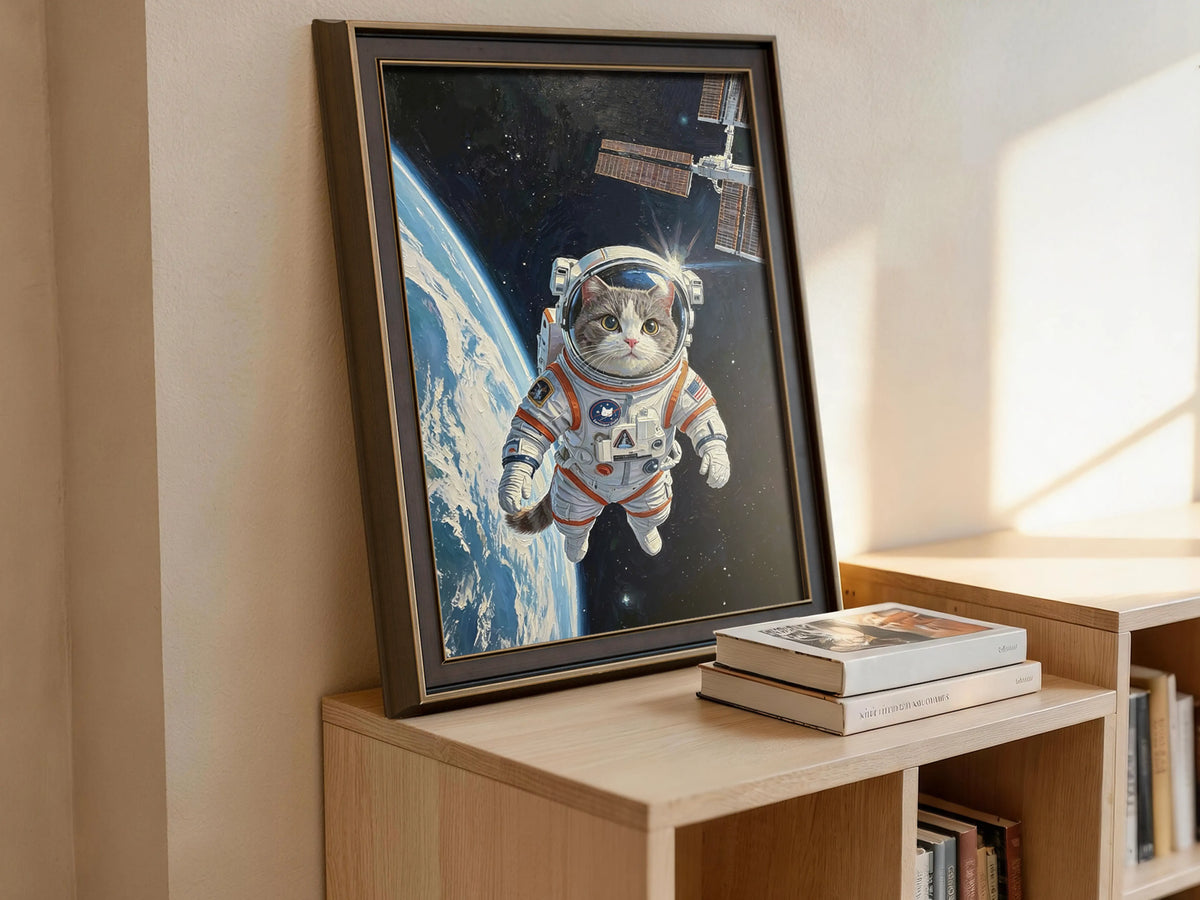
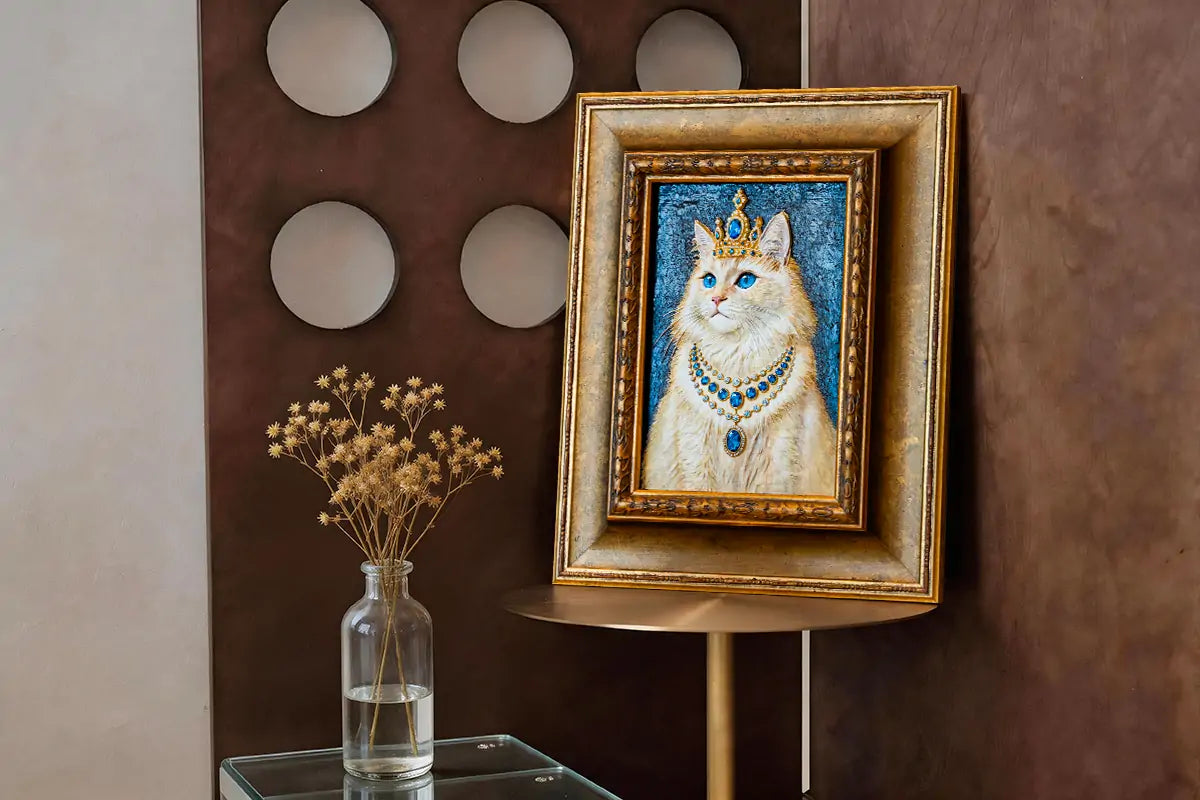
| Reference issue | What can mislead | What should stay consistent |
|---|---|---|
| Close phone photo | Nose may appear too large | True muzzle-to-head proportion |
| Warm indoor light | Coat may look more orange or yellow | Known coat color and markings |
| Pet turning away | One eye or ear may appear smaller | Actual facial symmetry or known asymmetry |
| Moving pet | Ears and expression may be temporary | Family-recognized expression and ear set |
| Old or imperfect photo | Fine details may be missing | Only features supported by the available references |
7. The Same Pet Has to Stay Recognizable Across Three Different Portrait Mediums
Luminipet currently offers three main portrait mediums. Each one preserves likeness in a different physical way, so the artist has to decide which details must survive printing, paint, or sculptural depth.
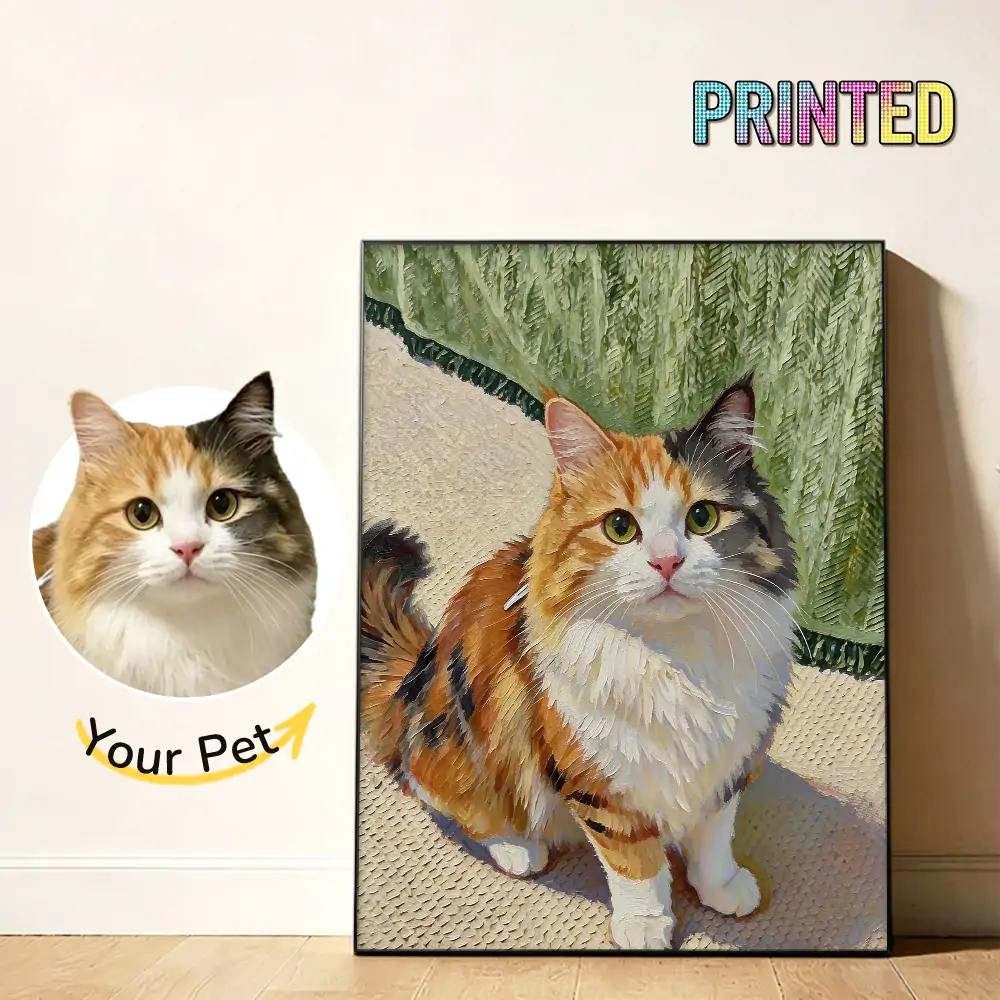
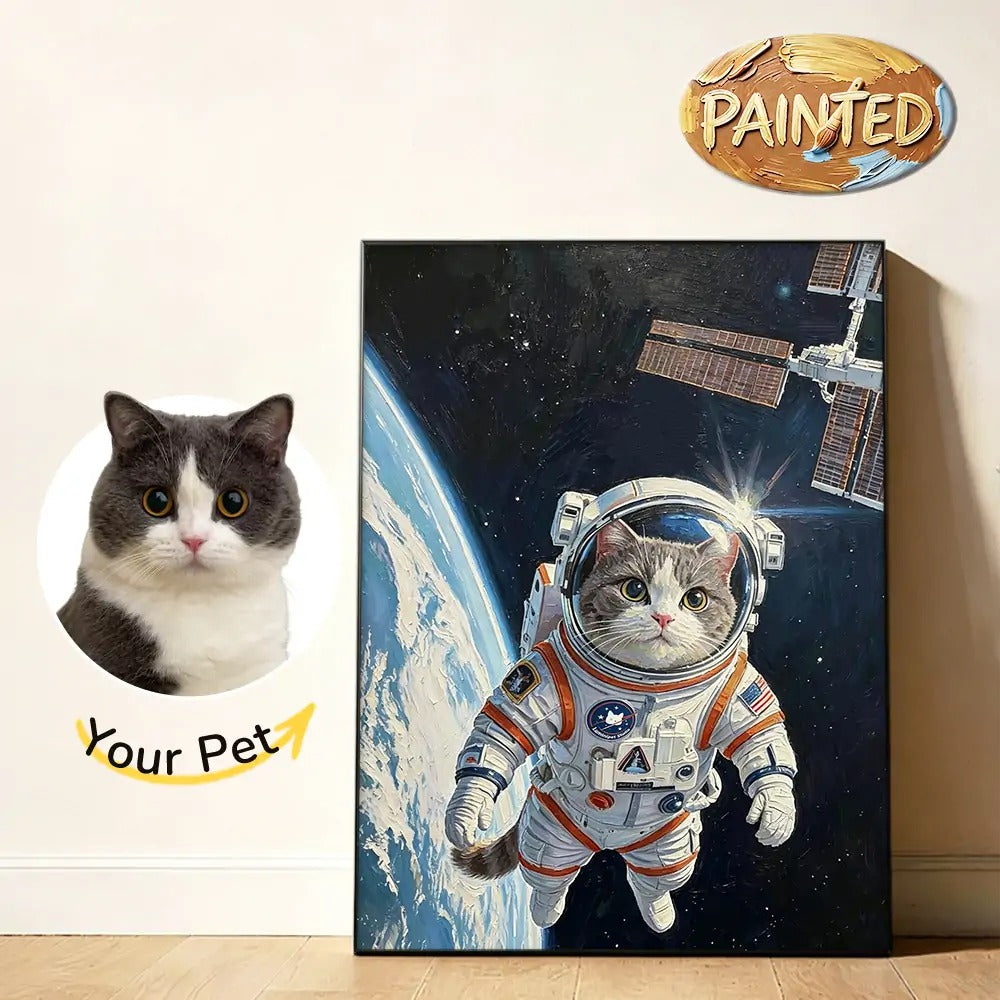
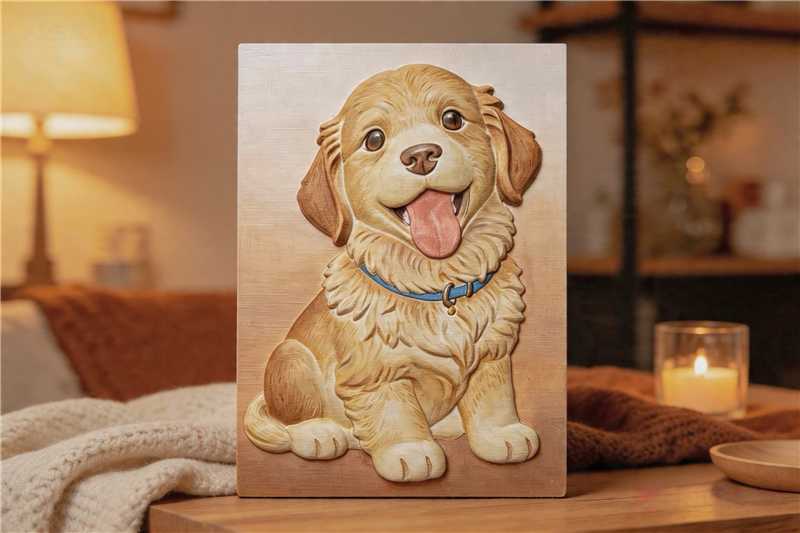
A medium can change texture and presentation without changing identity. If you are choosing between the three formats, compare the current Pet Portrait Prints, Hand-painted Pet Portraits, and Hand-sculpted 3D Pet Portraits before deciding which physical finish matters most to you.
8. A Creative Style Should Change the Story, Not Replace the Pet
Royal robes, professional uniforms, destination scenes, and imaginative backgrounds add a narrative layer. They should not become so dominant that the animal turns into a generic character wearing the same costume.
Across Luminipet’s current True-to-Life, Character Roles, Royal Style, and Pet World-Tour series, the creative direction changes while the pet’s recognizable face and markings remain the anchor. This is the useful test for any stylized pet portrait: the viewer should notice the theme, then immediately recognize the animal inside it.
True-to-Life
Best when the pet’s everyday appearance, natural expression, and real coat pattern should carry most of the visual attention.
Character Roles
The costume can express personality or a profession, but it should frame rather than obscure the face, ears, and distinctive markings.
Royal Style
Formal clothing and ornate framing create drama. Likeness depends on the contrast between the imaginative role and a face that still feels unmistakably familiar.
Pet World-Tour
The destination creates context, while face shape, expression, and markings keep the artwork connected to the real pet.
9. Review the Preview for Likeness Before You Review the Decorations
A preview is most useful when you evaluate recognition in a deliberate order. Start with the pet, not the background. Once the identity is right, review the costume, destination, crop, name, and other styling details.
- Look at the silhouette of the head. Does the face feel too wide, narrow, long, short, round, or angular?
- Compare the eyes. Check spacing, shape, visible color, and gaze direction.
- Trace the markings. Compare every important patch, stripe, blaze, mask, chest area, and color boundary.
- Check the ears and expression. Make sure the emotional tone feels familiar, not just attractive.
- Check age and body cues. Does the pet look too young, too old, too heavy, too slim, or differently proportioned?
- Only then review the theme. Confirm the costume, background, destination, text, and composition after the pet itself feels right.
If something feels wrong but you cannot immediately explain why, compare one category at a time instead of asking for a vague “make it look more like my pet” change. Specific feedback gives the artist a clearer target.
10. Why a Portrait Can Look Beautiful but Still Feel “Off”
The eyes are polished but not familiar
Beautiful highlights do not compensate for the wrong eye shape, spacing, or gaze.
The markings are simplified too far
Removing a small patch or shifting a blaze can make a familiar face feel generic.
The face follows the camera distortion
A close phone photo may exaggerate the nose or narrow the back of the head. The portrait should not automatically reproduce every lens effect.
The chosen expression is unfamiliar
A sharp, well-lit image is not always the best identity reference if the pet never normally looks that way.
The style overpowers the pet
A costume or scenic background can become visually dominant if the pet’s face becomes too small or heavily covered.
Feedback is too general
“It does not look right” is hard to act on. “The eyes are too round and the white patch should extend farther above the nose” is much more useful.
Frequently Asked Questions
Does a pet portrait need to be photorealistic to look like my pet?
No. A portrait can be stylized and still preserve strong likeness when the face proportions, eyes, markings, expression, ear position, and other identity cues remain accurate and consistent.
What feature matters most for pet portrait likeness?
There is no single universal feature. For some pets it is the eyes; for others it is the muzzle, an unusual ear, a facial patch, a head tilt, or a familiar expression. Likeness usually comes from several features working together.
Can several photos help the portrait look more like my pet?
Yes. Different reference photos can clarify different things: one may show the face and expression best, while another reveals coat color, body proportions, or markings hidden in the first image.
What kind of photo helps artists capture likeness?
Choose a clear, well-lit image with visible facial features and a natural expression. A close face photo is useful, while an additional wider image can clarify body shape and markings. Review the current Luminipet photo guidance if you are unsure.
Can a royal or character portrait still look like the real pet?
Yes. The costume and background can change while the pet’s facial structure, eyes, markings, expression, and other recognizable traits remain the visual anchor.
Does the portrait medium affect likeness?
The identity cues remain the same, but they are translated differently. A Pet Portrait Print preserves them through digital illustration and print, a Hand-painted Pet Portrait through brushwork on canvas, and a Hand-sculpted 3D Pet Portrait through shape, depth, and hand coloring.
What should I check in the preview first?
Check recognition before decoration: face shape, eye spacing and gaze, major markings, ear position, expression, and overall proportions. After those feel right, review the costume, background, text, and composition.
Can I request adjustments before final production?
Luminipet provides a design preview before final physical production. Review the current FAQ and policy pages for the latest revision terms, and send specific feedback on eligible details before approving the design.
Start With the Details You Recognize Immediately
Choose the photos where your pet feels most like themselves, tell the artist which details your family would notice first, and review the preview for likeness before approving the final physical artwork.


